If you live in the Fresno area, you already know how fast a warm evening can turn into a swatting contest. One week in late spring, your patio feels perfect, and then after a stretch of irrigation, a few overwatered planters, and a warm night, the mosquitos arrive. I have walked dozens of yards across Fresno and Clovis in May and June, and the pattern is familiar. Shaded side yards stay damp longer than you expect. Corrugated drain lines hold half an inch of water. Splash blocks tilt, so water puddles under the AC condenser. You can treat a property with premium products and still lose ground if you ignore these pockets. Mosquito control takes an ecosystem view, and the homes that stay bite-free are the ones that combine judicious products with smart prevention.
This guide draws on local conditions, not a generic template. Fresno’s climate, water habits, and architecture shape the mosquito problem. The valley’s hot, dry summers don’t bother mosquitos as much as you’d hope because our irrigation schedules and micro-irrigation systems create reliable breeding sites. When you bring in mosquito control services, you are paying for three things: a careful inspection, targeted treatments that match your yard’s microclimates, and a plan that keeps the numbers down week after week. The right provider should also help with broader pest pressure. Clients who call about mosquitos often have ants trailing to drip emitters, spiders nesting near porch lights, or rodents exploiting the same vegetation density that harbors mosquitos. A comprehensive approach pays off.
What drives mosquito pressure in Fresno
Mosquitos need stagnant water and shelter from heat. Fresno gives them both. Daytime highs in July often cross 100 degrees, yet shaded areas behind fences or beneath dense oleanders can be 10 to 15 degrees cooler. Add a birdbath, a forgotten plant saucer, or a sagging stretch of gutter and you have a steady nursery. The most prolific breeding sources I see in local yards are not ponds or pools with circulation, but tiny, overlooked reservoirs that hold water for five to ten days. Mosquito eggs can hatch within 24 to 48 hours, and larvae can develop to adults in roughly a week in hot weather. That means a short irrigation cycle on Tuesday plus drift from a misaligned sprinkler head can create a new batch by the following weekend.
Landscape design matters here. Fresno’s love of citrus and stone fruit trees provides shade and nectar, and that’s a double-edged sword. Adult mosquitos feed on plant sugars. Dense hedges, jasmine tunnels, and layered shrubs give them a humid refuge. If you’ve recently converted a lawn to drought-tolerant plants with drip lines, you might have unintended low spots where mulch holds water. Not a reason to rip anything out, just a reminder that the fix begins with observation.
How professional mosquito control services cut the cycle
A good mosquito program blends inspection, habitat correction, larval control, and adult knockdown. The science is simple, but the execution is in the details.
First, an experienced tech walks the property with fresh eyes. They tip over saucers, check the seams of storage bins, run a hand along the inside of gutters where organic sludge builds, and peek into corrugated drain extensions that look dry at the mouth but hold water in the bends. In Fresno, I always check irrigation boxes and valve covers, because they often sit slightly below grade and collect water. Rain isn’t the only source here. A slow drip from a hose bib or a tiny leak at a backflow preventer can sustain a colony for weeks.
Second, we cut off breeding with larvicides. When I say larvicide, most homeowners picture a strong chemical. The most common products used in local residential service are bacterial larvicides like Bti and Bs, which target mosquito larvae in water without harming pets, birds, or beneficial insects when used correctly. If your yard includes a fountain or ornamental pond, we can use fish or circulate the water, then supplement with larvicide in spots that cannot be drained. For gutters, a small, controlled-dose briquet often does the job more effectively than repeated spraying. For French drains or tight catch basins, a granular formulation is easier to place.
Third, we reduce adult populations with targeted residual applications on surfaces where mosquitos rest. Think the underside of leaves along fence lines, the shady sides of sheds, the eaves of patios, and the lower canopy of shrubs. This is not a fog-and-hope strategy. Broadcasting a cloud across the yard looks dramatic but wastes product and impacts non-target species. The best results I see come from measured treatments along the perimeter and shaded zones, with careful attention to bloom cycles so we avoid pollinator hotspots. In neighborhoods near the San Joaquin River or along larger canals, scheduling the adulticide service just before dusk helps intercept peak activity.
Finally, we adjust the environment. That could mean changing an irrigation schedule, regrading a small depression next to a walkway, or installing a screen over a culvert. Sometimes the solution is as simple as drilling a small weep hole in the recess of a tire swing so it cannot hold water after sprinkler overspray. This is where a service shines. A tech who knows Fresno’s layouts can spot and correct these issues on the first visit.
What a thorough pest inspection looks like in Fresno
If you’re searching for pest inspection Fresno or asking about a free pest inspection, expect more than a quick glance. A proper inspection should map pest pressures beyond mosquitos. That means ant trails on masonry joints, conducive conditions for spider control Fresno customers need near porch lights, rodent burrows along block walls, and signs of cockroach control Fresno homes sometimes require around drain entries. The point is not to upsell everything, but to treat the property as a system. Mosquito numbers drop faster when you also manage other pests that use the same harborage.
A good inspector will also look up, not just down. Eaves and soffit vents can draw in spiders that feed on swarming insects. Rodent control Fresno efforts often start with a look at attic ventilation screens, gaps around utilities, and foundation vents. The same vegetation that gives mosquitos cover can provide runways for roof rats. If the company offers pest exclusion services and attic and crawl space sealing Fresno CA homeowners often ask about after hearing http://fresno.bizlistusa.com/business/5406120.htm noises at night, ask the inspector to flag gaps and compressions in weather stripping. Sealing work reduces pest pressure across the board, and it makes mosquito treatments more efficient because fewer adult insects move in and out through torn screens and open vents.
Balancing efficacy with eco-friendly pest solutions
Fresno residents care about safety around kids, pets, and pollinators. You can pursue fresno organic pest control when possible, yet still maintain effectiveness. Bacterial larvicides and insect growth regulators lead the effort. For adult control, botanically derived products exist, and I’ve used them in sensitive settings, though they usually require shorter intervals between treatments. Truly eco-friendly pest solutions rely on more than product selection. They hinge on integrated pest management Fresno CA professionals practice: identify the pest correctly, improve sanitation and habitat, adjust irrigation, deploy targeted treatments, then monitor and adapt.
An example from a Clovis backyard: a family with two dogs, a koi pond, and a vegetable garden wanted relief without heavy spraying. We cleaned the pond filter, added a bubbler for movement, and placed Bti in the gutter troughs. We trimmed the privet hedge by 10 inches to improve airflow, then applied a low-impact residual to the fence line and the shaded backs of planters, avoiding blossoms. Two weeks later, bite counts fell sharply, and the clients kept the gains all summer by staying on a fresno quarterly pest service for monitoring, with a light adulticide touch-up after an irrigation line repair created a temporary puddle.
Why timing and frequency matter
Most Fresno yards benefit from a schedule that spans early spring through early fall. Mosquito pressure typically climbs after the first warm spell when night temperatures hold above 60 degrees. A common rhythm is a monthly visit from March or April through October, with flexibility after heavy irrigation events or heat bursts. If your yard backs to open fields, canals, or retention basins, you may need slightly shorter intervals during midsummer.
Some companies offer year-round pest protection. For mosquitos, winter service focuses on scouting and prevention rather than broad adult treatments. We clean gutters, swap or remove water-holding decor, and shore up screen integrity. This is the moment to tackle that low area that always turns muddy in April. Clients who make small adjustments in winter rarely need emergency pest control Fresno CA calls in July. If you do need a fast response after a broken sprinkler floods a side yard, seek same-day pest service. Speed matters because the development window is short in Fresno heat.
What to expect on service day
A licensed and insured exterminator should arrive with protective gear, clearly labeled products, and a plan matched to your property. After a walkthrough, they will treat according to the inspection findings. Expect a combination of larvicide placements and a targeted residual application to mosquito-resting surfaces. If the tech proposes fogging the entire yard without inspecting or discussing targeted areas, ask for details on drift management and non-target impact. Good service is precise.
You should also expect clear communication. The tech should show you the highest-risk spots and explain what was done. They will likely recommend adjustments to irrigation timing or plant density in key areas. Documentation should list products, target pests, and reentry times. If you have concerns about pollinators, request a treatment window outside bee foraging hours and ask the tech to avoid blooms. For homes with pets, the tech should confirm drying times and, if using granules, where placements occurred.
Costs, value, and trade-offs
Pricing varies with lot size, landscaping complexity, and proximity to open water or agriculture. For a typical Fresno residential lot, monthly mosquito control services during the warm season often fall in a moderate range, and you can combine them with fresno residential pest control for ants, spiders, or fleas to consolidate visits. Bundled pest prevention plans reduce overall costs and keep the property on a predictable schedule. If your yard is simple with little vegetation, a lighter program might suffice. If you have dense plantings, a koi pond, and a shaded side yard that stays damp, you’ll need a more robust plan.
Be wary of one-and-done promises. A single treatment can knock down adults, but without larval control and habitat fixes, the relief fades in a week or two. Airborne fog-only programs tend to look impressive and wear off quickly in Fresno heat. Conversely, an integrated approach yields steadier results with fewer chemical inputs over time. That is the heart of integrated pest management Fresno CA homeowners appreciate, and it aligns well with eco concerns.
Mosquitos and your broader pest picture
Homeowners rarely have a single pest at a time. If watering habits are creating mosquito habitat, they may also drive ant control Fresno needs because moisture-loving species, like Argentine ants, track to the same damp zones. Cockroaches, particularly Turkestan roaches that flourish around masonry and irrigation boxes, can explode after midsummer heat and water misuse. Spider populations often spike where porch lights draw gnats and moths. A company that provides bed bug extermination Fresno residents trust and rodent control Fresno property owners need is not necessarily your mosquito expert, but the overlap matters. The best providers leverage cross-training. They can adjust your mosquito plan if rodent exclusion work opens up a new airflow pattern, or if attic and crawl space sealing Fresno CA clients request changes how moisture vents.
Commercial properties add another layer. For restaurants with patios, commercial pest control in Fresno must account for customer comfort during dining hours. Early-morning or pre-opening treatments, coordination with landscaping crews, and regular inspection of grease traps and dumpsters keep insects down. For property managers overseeing multi-building complexes, schedule consistency and resident communication make or break the program. Mosquito control services that tie into a larger property-wide pest prevention plan deliver better outcomes.
Homeowner habits that make the biggest difference
Here is a short, practical checklist that I’ve seen move the needle fast for Fresno homes between professional treatments.
- Run irrigation cycles early morning, not evening, and fix overspray that hits walls, AC pads, or shaded gravel. Clean gutters at least twice per warm season, and make sure downspout extensions drain fully rather than holding water in their corrugations. Empty or remove water-holding decor like plant saucers, birdbaths without circulation, and toys after each watering day. Thin dense shrubs by a hand-width to improve airflow and reduce resting spots, especially along fences and near patios. Keep pool covers taut and free of puddles; even a quart of water pooled on the cover can hatch a cloud.
These are small moves, but together they cut the reproductive engine that keeps mosquitos coming back.
Special cases: ponds, livestock, and neighborhood sources
Not every yard is a suburban rectangle. Some Fresno properties back onto canals, orchards, or retention basins. If your fence line touches a canal trail, expect persistent pressure as adults drift in. The playbook changes slightly. We cannot control off-site breeding, so we harden the property edges with more frequent residual applications to resting zones and tighten up every water source inside the fence. Scheduling becomes more precise. Right before a predicted heat wave, we shore up larval control because development speeds up.
For ornamental ponds with fish, oxygenation and filtration are key. Fish eat larvae, but only if the water circulates. A clogged pump turns a pond into a nursery overnight. For livestock setups or backyard chickens, waterers and troughs can be managed with weekly scrubs and, when appropriate, mosquito fish in larger stock tanks. Avoid broad-spectrum adulticides around coops when birds are present. Stick with perimeter focus and non-intrusive larvicides where label-approved.
Neighborhood sources can be tricky. A vacant property with a green pool, a neglected storm drain, or a construction site sump can seed mosquitos across a block. In these cases, documentation helps. A licensed and insured exterminator can provide notes and photos for the city or vector control district. Meanwhile, we protect your property edges and monitor for spikes.
When same-day service is worth it
Most mosquito situations can wait a few days without disaster, but certain triggers justify speed. A broken irrigation valve flooding a side yard during a heat spell, a graduation party planned for Saturday evening, or a sudden surge of bites after a neighbor’s pool pump failed. Emergency pest control Fresno CA providers can usually deploy within 24 hours. The immediate goal is adult knockdown and larval interruption at the new water source. Then comes follow-up to ensure the fix holds. If the company also handles fleas and ticks, it’s efficient to inspect pets’ resting areas and shady zones in the same visit, since bite reports sometimes mix species.
Customer stories that capture the Fresno reality
A north Fresno homeowner near a canal called after trying DIY foggers every weekend. The bites dropped for a day, then came roaring back. On inspection, we found water pooled in the folds of a seldom-used pool cover and two low valves in irrigation boxes. We added Bti to gutters and boxes, drained the cover, and redirected sprinkler heads off the pavers where puddles formed at the edge. We applied a measured residual along a 60-foot jasmine wall and the shaded side of a detached garage. By the second week, the family ate dinner outside with only a citronella candle for tradition. Maintenance after that was simple: quarterly checkups and a touch-up during a heat wave.
A Clovis daycare had a different problem. Mosquitos were finding the shaded play area even though there was no standing water on site. The culprit turned out to be a slow leak at a neighboring property’s hose bib, creating a shallow swale that held water for days. We coordinated with the neighbor, placed larvicide in a discreet catch point, and adjusted the daycare’s schedule so kids used an alternate area for one day while a targeted application dried. The business was already on a commercial pest control in Fresno plan for ants and roaches, so adding mosquito-specific measures fit seamlessly.
Choosing the right provider without the guesswork
Look for a Fresno company that starts with questions, not a price sheet. If they ask about irrigation, shade patterns, and your weekly yard habits, you are on the right track. Verify licensing and insurance, and ask whether they practice integrated pest management. If you want an emphasis on eco-friendly pest solutions, say so upfront and expect a conversation about trade-offs, such as slightly shorter intervals with botanical adulticides. Bundling with fresno residential pest control for ants, spiders, and cockroaches can save time and reduce visits. If rodents are on your radar, confirm that the company handles rodent control Fresno homeowners need, and ask about pest exclusion services. If they offer attic and crawl space sealing Fresno CA wide, that is a sign they take structural prevention seriously.
Some providers offer a free pest inspection. Take advantage, but treat it as a working session. Walk with the tech, ask them to point out breeding risks, and request a written map of hotspots. If you prefer flexibility, a fresno quarterly pest service can balance consistent monitoring with reasonable cost. If you want persistent mosquito relief during peak months, a monthly plan makes sense. For year-round pest protection, combine seasonal mosquito work with broader prevention that keeps the rest of your pest ecosystem in check.
The Fresno backyard you can actually use
When mosquito control is done right, the payoff shows up in small moments. You stop waving your arms while grilling. Your kids spend a full hour on the trampoline without red ankles. The dog lounges under the citrus trees instead of pacing by the door. The difference isn’t luck, it’s design. Your yard sheds water instead of holding it. Shaded zones are treated with the right product at the right time. The gutters do not carry last fall’s leaves into summer. And you have a team that notices, adjusts, and returns before small problems grow.
Mosquitos are persistent, but they are not mysterious. In Fresno, the path to a comfortable backyard runs through careful inspection, targeted larval and adult control, and habits that interrupt the life cycle. Whether you handle part of the work yourself or lean on a licensed and insured exterminator, you can reclaim your evenings. If you also need help with ants, roaches, spiders, fleas and ticks, or even bed bugs, an integrated plan ties it together so each piece supports the rest. That is how you turn a seasonal nuisance into a solved problem and enjoy your backyard again.
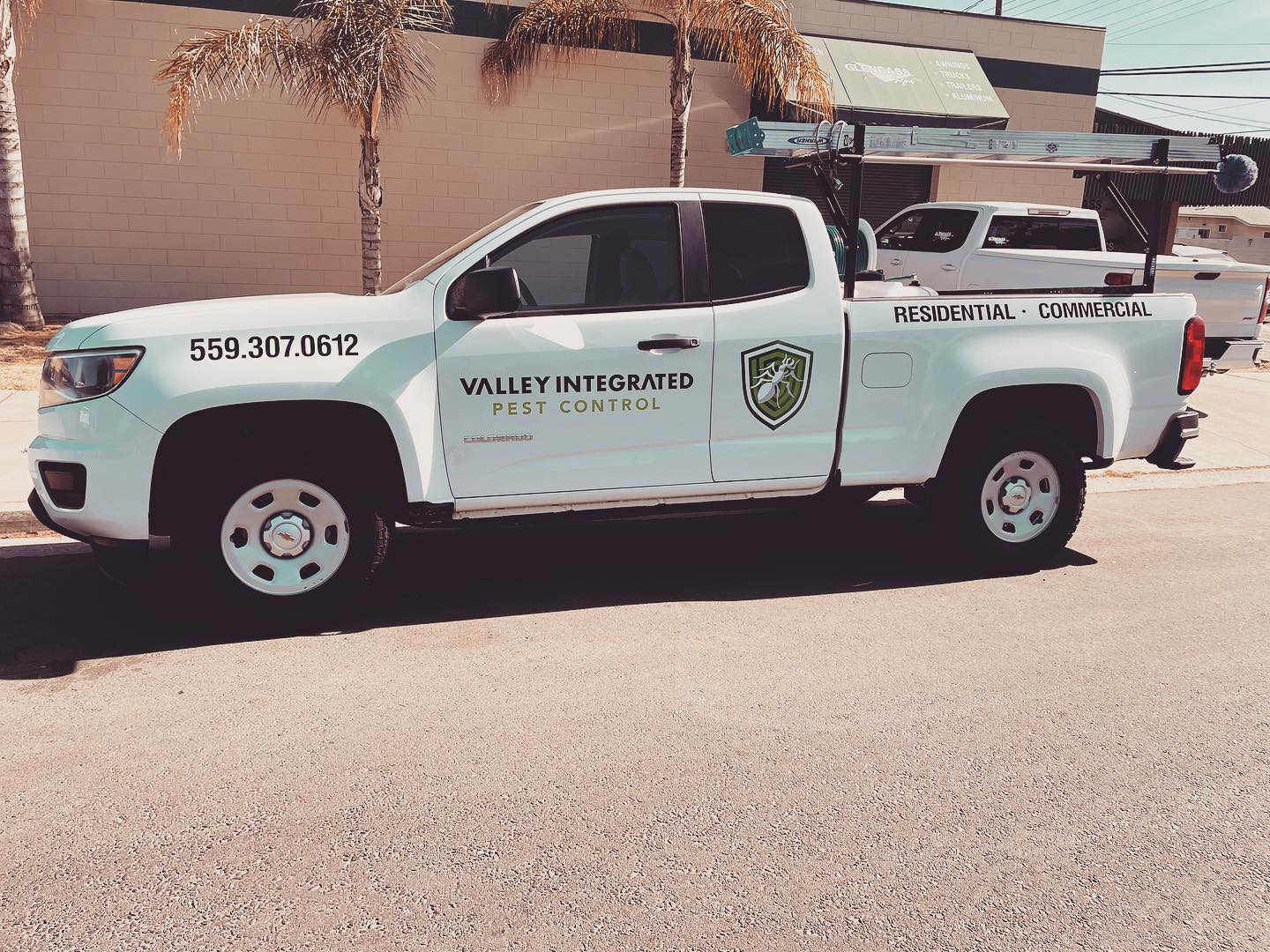
Valley Integrated Pest Control 3116 N Carriage Ave, Fresno, CA 93727 (559) 307-0612