Termites are part of the Central Valley’s background noise until they are not. A winged swarm shows up in a living room in late spring, or a mud tube appears on a garage stem wall after the first fall rain. By then, the colony feeding on your property may have been active for years. Fresno’s mix of hot summers, mild winters, irrigation, and older housing stock sets the stage for both subterranean and drywood termites. If you need a pest control service in Fresno CA that knows the soil, the codes, and the construction quirks of this region, it pays to understand your treatment options before you sign anything.
Fresno’s termite reality, not the brochure version
Subterranean termites dominate the Central Valley, especially the western subterranean species. They nest in the soil, travel through moisture-rich areas, and enter homes through cracks thinner than a credit card. Drywood termites show up as well, especially in older neighborhoods with unpainted eaves, vintage bungalows with accessible attic vents, and furniture or trim brought from coastal areas. That dual exposure shapes how a pest control company in Fresno approaches your project.
The other fact that matters here is water. Flood irrigation, leaky valves, planter beds hard against stucco, and bathroom or kitchen plumbing leaks create moisture gradients that attract subterranean termites. I have traced more termite mud tubes to drip line leaks than to any single construction flaw. Handling termites in Fresno often starts with water management, then chemistry.
How a good inspection actually works
A thorough inspection is part detective work, part building science. An experienced exterminator in Fresno CA will ask about past leaks, remodels, slab additions, and where you have seen swarmers or frass. They will check these places first, then sweep the structure in a pattern.
The exterior gets most of the early attention. The pro will probe or tap soft fascia and subfascia, follow slab edges, check control joints, and look for shelter tubes rising from soil to stem wall. Stucco-to-grade contact, especially in older homes where landscaping has risen, is a common entry point. On raised foundations, they will crawl the subarea, looking for earth-to-wood contact, prior treatments, and moisture readings. Inside, they will open access to plumbing penetrations, examine baseboards in bathrooms and kitchens, and check attic access if drywood termites are suspected. They use a strong light, a moisture meter when conditions call for it, and sometimes a borescope to peek behind suspicious areas.
Fresno inspections benefit from an understanding of local building eras. For example, homes from the 1950s and 1960s often have additions with cold joints in slabs. Those joints are classic subterranean termite highways. Newer homes can have foam board or weep screeds that end below grade, hiding entry points. A pest control Fresno practitioner who has crawled hundreds of local subareas will anticipate these details.
Confirmation before cure
Not every mud tube belongs to a current colony. I have seen abandoned, dry, powdery tubes ten years old. Professionals scrape a small section to check for live workers, soldiers, or fresh patching. For drywood termites, fecal pellets (frass) tell the story. Drywood frass is six-sided and pellet-like, with subtle grooves, not dust. If the infestation seems old or localized, a pro may recommend a limited treatment and monitoring rather than a house-wide approach. The point is simple. Accurate identification and activity confirmation protect your budget.
Soil treatments with non-repellent termiticides
For subterranean termites, perimeter soil treatments remain a backbone option. Modern products are non-repellent, meaning termites do not detect them. The workers move through treated soil, pick up a lethal dose, and transfer it within the colony. In Fresno’s compacted, sometimes caliche-spotted soils, application technique matters as much as the label.
A proper job involves trenching along the foundation where soil meets slab, usually six inches deep and wide, then rodding the trench to distribute termiticide to the appropriate depth. Slab penetrations, like garage floors or patios against the foundation, are drilled at specific intervals to reach the soil beneath. The work is surgical when done correctly, with patching that blends with existing concrete. Expect a crew to spend several hours for a standard single-story home, sometimes more if flatwork extends around the perimeter.
Repellent products, which used to be popular for their knockdown, are now less common for full perimeter work because they can create gaps that termites skirt. Non-repellents cost more per gallon but deliver better long-term control, particularly in heavy pressure zones like irrigated planters along south or west walls.
Baiting systems around the structure
In some Fresno neighborhoods with heavy expansive clay or sensitive landscaping, bait stations are a better fit than broad soil treatments. The concept is simple. Stations placed in the ground contain wood or cellulose attractants that termites find, then the pro switches to a bait that disrupts growth, eliminating the colony over time. It requires patience. You do not get overnight results, but the payoff is less chemical volume and ongoing monitoring.
Baiting works well in properties where trenching would disrupt ornate hardscape, or where soil grades sit against stucco that you cannot dig without exposing weep screeds. It also gives you a record of termite pressure over seasons, which helps with long-term maintenance decisions.
Localized treatments for drywood termites
When drywood termites are confined to a specific window frame, door jamb, fascia run, or a piece of furniture, localized treatments make sense. The most common professional approach is to drill small holes into the galleries and inject a labeled foam or dust. The foam expands to fill voids, while dusts move through the galleries with air currents and the insects’ own movement.
Success hinges on finding the full extent of the galleries. Pros look for multiple kick-out holes and map how the wood runs tie together. A quick injection in one hole without tracing the gallery network is how you end up calling the pest control service back in a year. For painted or stained trim, a conscientious tech will drill from the least visible face, plug the holes with wood dowels or colored putty, and blend the repair.
Heat treatments also have a role for localized or sectional drywood problems. Heat, properly applied, raises the target wood to lethal temperatures for a sustained period. It is equipment-intensive and requires prep, but it avoids residual chemicals. In Fresno’s summer, ambient heat helps reach target ranges, though a professional still relies on sensors and heaters to ensure even penetration.
Whole-structure fumigation when it is warranted
Sometimes a drywood infestation is not localized. Attic rafters, subflooring, inaccessible wall voids, and wide-ranging trim can make spot work a losing battle. That is when whole-structure fumigation is the honest recommendation. The process involves tenting the home, introducing a fumigant gas that penetrates all voids, then aerating until levels are safe. Nothing else provides the same level of certainty throughout inaccessible areas.
Fumigation is disruptive. You will be out for several days, bagging or removing food and certain medicines, coordinating with the gas utility, and securing pets and plants. It also leaves no residual. That means it eliminates current drywood colonies but does not prevent new introductions from swarmers later. If your home in Fresno has wide eave vents or open gable vents, part of your post-fumigation plan should be improved screening and paint maintenance to deter future entries.
Pretreatment and new construction advantages
For new slabs or additions, pretreating the soil before concrete is poured gives strong protection at the most vulnerable junctions. The applicator treats the soil at the footing trench and under-slab area so that the finished slab has a treated zone that termites must traverse. Builders who work with a pest control company Fresno homeowners trust often include pretreatments in their spec because they know it reduces callbacks and warranty claims. When considering a remodel or room addition in Clovis, Madera, or Fresno proper, ask your contractor to coordinate with a licensed exterminator for this step.
Wood-destroying organism reports and real estate timing
Real estate transactions add urgency. A Wood-Destroying Organism report in California is standardized, but the quality of the inspector’s notes varies. A thorough report will distinguish between active and inactive evidence, note conditions that are conducive but not yet damaged, and suggest realistic fixes. I have seen closings derailed by vague language that spooked buyers, as well as rushed minimal treatments that ignored obvious moisture sources. If you are on a deadline, choose a vippestcontrolfresno.com pest control pest control service Fresno CA agents recommend for clear reporting and prompt scheduling, not just the lowest price.
Cost ranges and what drives them
Fresno is generally more affordable than coastal metros for pest work, but material costs and fuel have crept up. For a single-story, 1,800 to 2,200 square foot home, a full perimeter subterranean treatment with a non-repellent typically falls in the mid to upper four figures, depending on drilling needs and slab complexity. Bait systems often start lower on day one, then carry an annual service fee. Localized drywood treatments can be a few hundred dollars for a small section, rising into the low thousands if multiple areas are involved. Fumigation for an average home often lands in the low to mid four figures, influenced by roof complexity, stories, and accessibility.
What shifts a quote significantly are concrete cuts, hardscape drilling, under-porch access, disconnected crawlspace sections, and the number of plumbing penetrations. A pest control company that itemizes these variables in writing avoids surprises later.
Why moisture control is half the battle
You can pour money into chemistry and still lose ground if the property holds water against the structure. Fresno’s irrigation habits matter. I advise clients to keep all planter soil at least two to three inches below the top of the slab, pull mulch away from the stem wall, and move drip emitters outboard so they do not wet the foundation. Fix hose bib drips promptly. Check that downspouts carry water into drains or away from the house, not into the same flower bed that keeps the slab wet.
Inside, monitor bathrooms with poor ventilation and sink bases with chronic slow leaks. A low-cost moisture meter pays for itself. I have watched termite activity fade after we corrected a simple irrigation timer that was set to run nightly instead of twice a week. Chemistry is the treatment, moisture control is the prevention.
Choosing the right pest control service in Fresno CA
The best provider is not just the one with the lowest bid or the flashiest truck wrap. Licenses should be current under California’s Structural Pest Control Board. Ask how many homes like yours they treat each month, and which products they recommend and why. Listen for specifics about Fresno soils, slab details, or neighborhood trends. A good exterminator Fresno CA homeowners trust will explain the pros and cons of soil treatments versus baits for your lot, tell you when localized drywood work can succeed and when fumigation is cleaner, and write a service agreement that matches their explanation.
Expect clear scheduling, careful drilling and patching, limited disruption to landscaping, and tidy injection points. If the crew treats and leaves you with puddled termiticide or spalled concrete, that is poor workmanship. If they show you findings during the job, like a hidden mud tube uncovered under a carpet tack strip, that transparency usually reflects a strong company culture.
Safety and environmental considerations
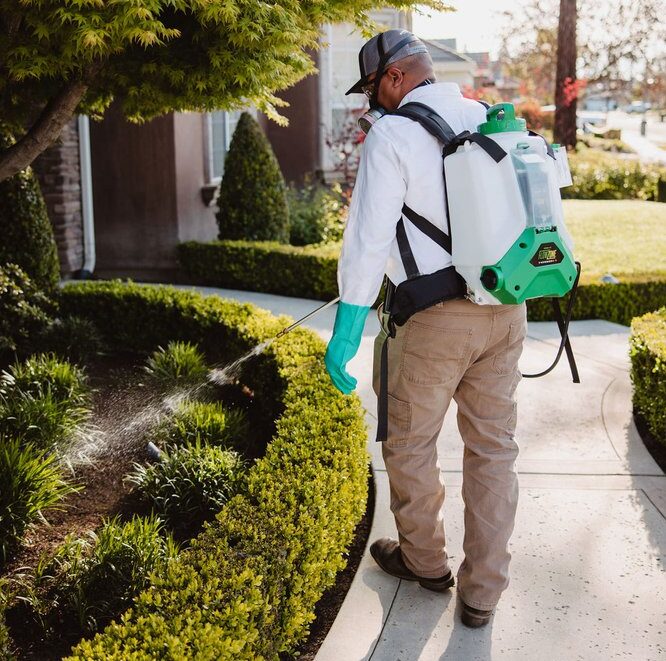
Modern termiticides are designed for low volatility and low odor. Applied correctly, they bind to soil tightly and pose minimal risk to people and pets. Crews should respect reentry times, post notices when needed, and shield nearby edible plants. If you keep backyard chickens or a kitchen garden, tell your technician. Adjustments like temporary coverings, soil pull-back, or station placement can protect sensitive areas.
Bait systems use very small amounts of active ingredient spread over time and are often a good fit for clients who value a low chemical footprint. For interior localized drywood treatments, ventilation and selective drilling help keep disruptions minimal. Fumigation is the exception in terms of perception, but remember that the gas dissipates completely and leaves no residue. The risk is managed through strict protocols and clear reentry verification.
Long-term protection and warranties
Many Fresno pest control companies offer warranties with reinspection schedules. Read the details. For subterranean work, a one-year initial warranty with options to extend annually is common. The warranty typically covers re-treating new activity, not repairing wood damage. You can negotiate for a repair warranty, but expect an inspection and possibly higher initial cost.
Bait systems often include monitoring in the plan, so you pay an annual fee that keeps the warranty active. Drywood localized treatments may carry shorter warranties for obvious reasons. Fumigation warranties often run two years, with restrictions around re-infestation if conducive conditions are not addressed. Keep documentation of any corrective work like replacing earth-to-wood contact posts or adding vent screens. It matters if you sell the home or need future service.
Fresno-specific quirks that matter in the field
The Valley’s dust and fine silt influence drilling. Slab patches hold better when the crew vacuums dust aggressively and uses the right patch compound. On raised foundations, tight subareas with old ductwork and limited clearance slow progress, which affects cost and outcome. Older redwood framing can hide drywood galleries better than modern pine because it resists surface staining, so seasoned inspectors probe with purpose rather than rely on looks.
Seasonality plays a role. Subterranean activity often shows after the first cooling rains in fall, when soil moisture invites foraging. Drywood swarmers tend to show in warmer months, often late spring into early fall, drifting to porch lights and attic vents. If you see wing piles on interior window sills on a warm, still evening, save a sample. Your exterminator can confirm the species on sight.
A practical path from first sign to solution
When you suspect termites, start by documenting where you saw the sign. Take clear photos of mud tubes, frass piles, or swarmers. Call a pest control service that serves Fresno and can schedule a full inspection, not a free “drive-by” look. During the visit, ask the inspector to sketch or mark the problem areas on a simple floor plan, and to describe treatment choices with pros and cons for your particular structure.
Once you have the proposal, compare more than the bottom line. Look at scope, products, access methods, cleanup promises, and warranty terms. If your home has special concerns, such as a newly installed stamped concrete patio or a historic façade, insist that the plan addresses those details. Book the work, clear access to perimeter walls, move items off garage edges, and mark sprinkler lines if you know where they run. After treatment, follow through on moisture fixes and schedule the follow-up visit if your plan includes one.
When local expertise pays off
A national brand can do fine work, but termite control is hyperlocal. The pace at which trenches collapse in certain Fresno soils, the way older sidewalks bridge to stem walls, and the irrigation practices that saturate the first foot of soil all shape what works. A pest control company Fresno residents recommend has learned these patterns the hard way. I remember a home off Van Ness where subterranean termites bypassed a neatly applied perimeter because an old, forgotten downspout dumped water under a planter. We found it by following a mud vein in the garage that did not make sense until we opened the wall. After rerouting that downspout and treating the cold joint where the garage addition met the original slab, the activity stopped and never returned.
That is the blend that actually controls termites here. Careful diagnosis, appropriate chemistry, attention to water, and workmanship that respects the structure.
Final guidance for homeowners and property managers
If you manage rentals in the Fresno area, schedule annual inspections, ideally before peak swarm seasons. Move toward standardized exterior conditions across properties, such as keeping four to six inches of clearance between soil and stucco and protecting slab edges from daily irrigation. Train maintenance staff to recognize early signs of activity and to report moisture immediately. For homeowners, set reminders to test irrigation, check downspouts after the first rain, and walk the foundation twice a year.
Most important, do not let the first quote you receive lock you into a one-size plan. Termite control is not a commodity if you want durable results. Whether you use a large pest control company or a smaller exterminator, insist on a plan tailored to your structure and the way you use the property. Fresno’s climate and construction practices are specific. Your solution should be too.
List of smart next steps:
- Photograph any evidence and note dates, locations, and recent water issues. Book a licensed inspection with a pest control service Fresno CA trusts, asking for a written diagram and species ID. Compare a soil treatment plan against a baiting plan if subterranean termites are confirmed, and ask how irrigation will be addressed. For drywood termites, weigh localized treatment against fumigation based on spread and accessibility, not just cost. Implement moisture corrections immediately and set calendar reminders for follow-up inspections under any warranty.
Valley Integrated Pest Control
3116 N Carriage Ave, Fresno, CA 93727
(559) 307-0612
Valley Integrated Pest Control is a pest control service
Valley Integrated Pest Control is located in Fresno California
Valley Integrated Pest Control is based in United States
Valley Integrated Pest Control provides pest control solutions
Valley Integrated Pest Control offers exterminator services
Valley Integrated Pest Control specializes in cockroach control
Valley Integrated Pest Control provides integrated pest management
Valley Integrated Pest Control has an address at 3116 N Carriage Ave, Fresno, CA 93727
Valley Integrated Pest Control has phone number (559) 307-0612
Valley Integrated Pest Control has website https://vippestcontrolfresno.com/
Valley Integrated Pest Control serves Fresno California
Valley Integrated Pest Control serves the Fresno metropolitan area
Valley Integrated Pest Control serves zip code 93727
Valley Integrated Pest Control is a licensed service provider
Valley Integrated Pest Control is an insured service provider
Valley Integrated Pest Control is a Nextdoor Neighborhood Fave winner 2025
Valley Integrated Pest Control operates in Fresno County
Valley Integrated Pest Control focuses on effective pest removal
Valley Integrated Pest Control offers local pest control
Valley Integrated Pest Control has Google Maps listing https://www.google.com/maps/place/Valley+Integrated+Pest+Control/@36.7813049,-119.669671,17z/data=!3m1!4b1!4m6!3m5!1s0x80945be2604b9b73:0x8f94f8df3b1005d0!8m2!3d36.7813049!4d-119.669671!16s%2Fg%2F11gj732nmd?entry=ttu&g_ep=EgoyMDI1MTIwNy4wIKXMDSoASAFQAw%3D%3D
At Valley Integrated Pest Control we offer comprehensive cockroach exterminator solutions just a short drive from River Park Shopping Center, making us a convenient choice for families throughout the Fresno area.